Imagine this: A potential client scrolls through dozens of real estate listings late at night—not in an office with catalogs, but on their phone, instantly finding dreamy homes with just a tap. That’s the new reality powered by real estate web development. Today, winning in the real estate market means embracing the digital landscape with a website that serves as your strongest lead magnet, storefront, and trusted business partner—all rolled into one sleek platform.
Envisioning Success: Why Real Estate Web Development is a Game-Changer
In an increasingly digital world, the real estate industry is undergoing an impressive transformation. Agents, brokers, and real estate pros are shifting from classic billboard ads and paper listings to highly interactive estate websites that showcase properties, engage users, and generate real leads—twenty-four hours a day. The right web development approach doesn’t just update your online presence; it fundamentally changes how you connect with clients and scale your estate business.
Scenario: The Power Shift from Traditional Real Estate to Digital Estate Web Solutions

Traditional real estate relied heavily on physical locations, brochures, and word-of-mouth. Today, real estate web development empowers a seamless transition to digital through user-friendly platforms that let agents upload listings, track leads, and engage with buyers from anywhere. This power shift places control back in your hands—letting you respond to the market’s pace, differentiate your services, and unlock new revenue possibilities. With digital estate web platforms, the journey from prospect to homeowner is smoother and more transparent than ever.
What You’ll Learn About Real Estate Web Development
- The essentials of real estate web development
- How a modern real estate website can grow your business
- Key trends in estate website development
- Best practices in web design for real estate pros
- How to select the right website builder or web dev partner
- SEO and digital marketing strategies for real estate websites
- FAQs, expert insights, and actionable steps to improve your online presence
Defining Real Estate Web Development and Its Core Benefits
At its essence, real estate web development refers to the specialized process of designing, building, and maintaining websites specifically for the estate industry. Unlike generic websites, an estate web platform is tailored for listings, agent profiles, lead generation, and seamless transactions. For real estate agents and brokers, this means going beyond aesthetics: your site becomes the front door to your business, capable of attracting prospects, automating communication, and highlighting your edge in a crowded estate market.
Understanding Real Estate Website Development Versus Standard Website Development
The biggest difference between standard web development and real estate website development lies in industry requirements. While most sites focus on sharing information or promoting a product, estate websites must support property listings, advanced search features, and integration with Multiple Listing Services (MLS). Effective web design for real estate blends visual appeal, logical structure, and tools tailored for both sellers and buyers. Agents and brokers need something more dynamic than a simple brochure site: interactive map search, intuitive lead forms, and data-driven customization set estate web platforms apart.
Key Benefits for Real Estate Agents and Brokers

The direct benefits for modern estate agents and brokers investing in web development are clear and immediate:
- Amplified online presence—showcase portfolio and company credibility.
- Seamless property listings and updates—flexibly manage and promote properties in real time.
- Customer engagement with intuitive estate web design—capture more qualified leads through tailored UX and CRM tools.
A robust real estate website is the springboard for long-term reputation, discoverability, and profitability in today’s ultra-competitive estate business.
To further enhance your website’s effectiveness, integrating IDX and optimizing for search engines can significantly boost your visibility and lead generation. For a deeper dive into how IDX SEO strategies can elevate your realtor site, explore this comprehensive guide on IDX SEO for Realtor Sites.
Key Features Your Real Estate Website Needs
For agents and estate pros, the success of an estate website depends on both its user experience and specialized features. Here’s how the best real estate web development projects ensure clients never look back:
Property Listings: The Heart of Estate Websites
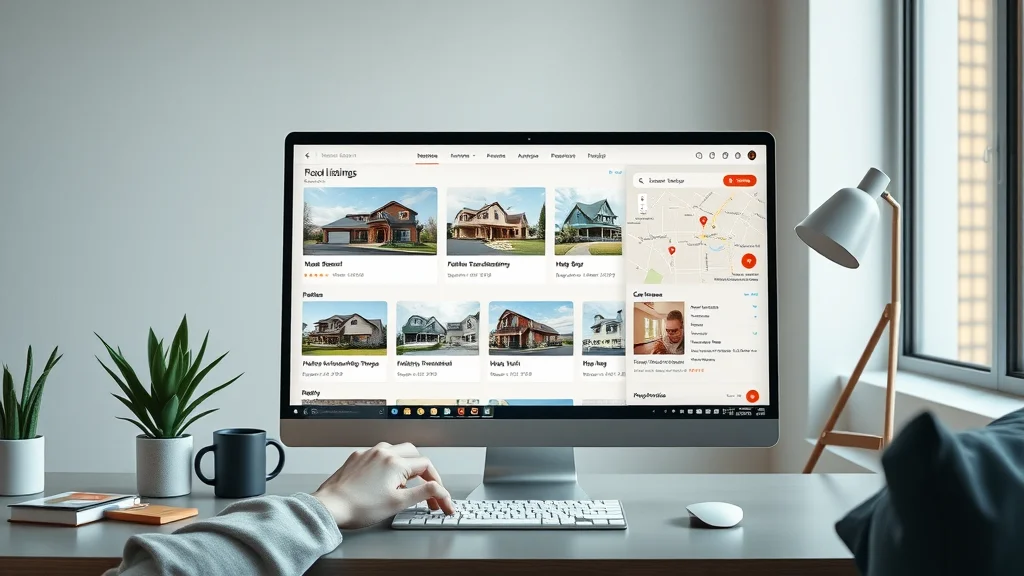
Property listings are the lifeblood of every estate website. These sections must allow clients to sort, filter, and explore available homes in a few intuitive clicks. Incorporating high-resolution photos, virtual tours, floor plans, and clear descriptions enhances the online presence for agents and clients alike. With integrated property listing management, real estate agents can keep information up-to-date, highlight featured listings, and engage site visitors right when they’re ready to act. The ability to search by criteria (price, location, property type) is non-negotiable for a seamless user experience and higher lead conversion.
MLS Integration & Advanced Search Engine Functionality
Cutting-edge real estate web development empowers your site with direct MLS integration, ensuring instant access to the latest properties and market data. Advanced search engines, custom filters, and geolocation tools let users drill down quickly to the homes that meet their needs. For estate agents, these tools automate much of the listing process, enabling a website build that stands out in the digital estate market. By connecting visitors to accurate, real-time content, you boost repeat visits, build broker credibility, and increase the odds of matching the right buyer with the right property.
Mobile-Responsive Estate Web Design and User Experience
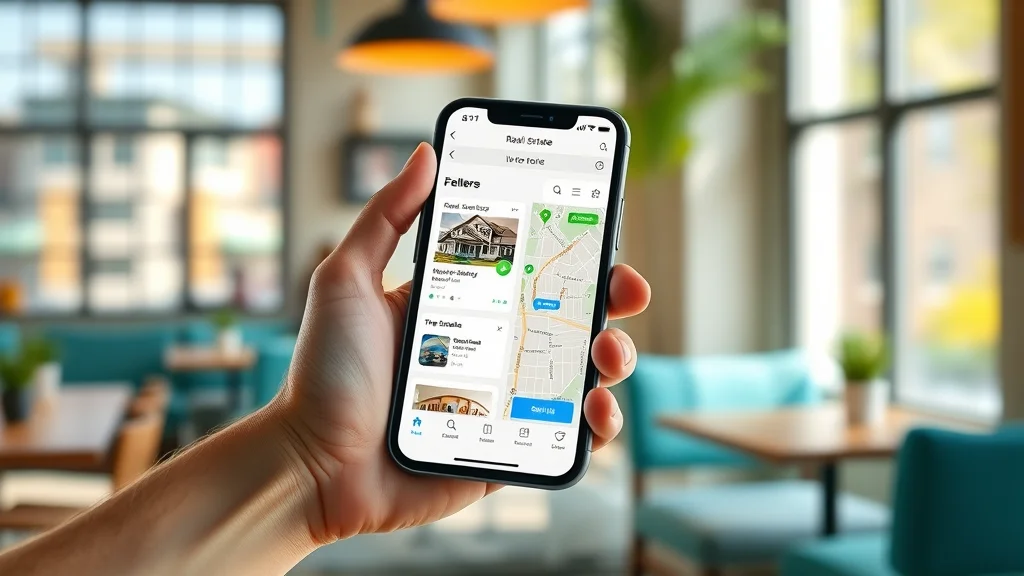
In the era of smartphones, making your estate website mobile-friendly is vital for both user experience and search engine rankings. Responsive real estate web design ensures your listings, forms, and interactive maps adjust to any device—whether desktop, tablet, or mobile phone. This accessibility helps estate agents capture leads at every moment, keeping users engaged even on the go. Modern estate platforms deliver a fast, app-like experience, which not only appeals to clients but also signals to search engines that your web dev approach is up to industry standards.
Contact Forms, Lead Capture, and Real Estate CRM Integration
A user’s decision to reach out often hinges on smooth, intuitive contact forms. The best real estate web development integrates robust lead capture, allowing prospective buyers and sellers to request info, schedule showings, and subscribe to alerts without friction. For agents and brokers, CRM (Customer Relationship Management) integration tracks leads, automates follow-ups, and organizes contacts for targeted marketing. These tools transform your estate web from a static portfolio into a proactive business engine.
“In today’s real estate market, your website is often your first conversation with a client—make it count.”
Real Estate Web Development Process: From Planning to Launch
Whether you’re a solo agent or managing a bustling brokerage, a successful estate website development journey follows a proven roadmap. From research to launch, understanding the phases ensures your investment pays real business dividends.
Strategy and Research in Real Estate Website Development

Every great real estate website starts with smart strategy. Researching your target audience, identifying market trends, and analyzing competitor estate web solutions lay the groundwork for a high-impact project. Defining business goals—lead generation, listing exposure, branding—guides your site structure and feature priorities. During this phase, collaboration between real estate agents and web development pros ensures your platform reflects real business needs, not just web design trends.
Design, Branding, and Web Dev Collaboration
With a strategy in place, design and branding come front and center. Effective web design for real estate balances a professional aesthetic with easy navigation; branding brings credibility, trust, and recognition. Web dev teams and estate agents should work closely, aligning on color palettes, photography standards, logo placement, and calls to action. Everything from menu structure to listing page layouts must tie back to the agent’s brand identity, supporting a platform that’s memorable and conversion-focused.
Development, Testing, and Go-Live Checklist
Actual site build involves backend programming, content management integration, and robust testing. From setting up MLS data feeds to configuring lead forms and performing usability tests, each step matters in delivering a reliable, high-performing estate website. Final pre-launch checks include mobile optimization, speed tests, and privacy/security reviews. Careful rollout ensures your real estate website goes live smoothly and ready to serve the digital real estate market.
- Setting clear goals for estate website development
- Selecting the right tech stack for scalable web development
- Usability testing for real estate web platforms
Choosing the Right Website Builder or Development Partner
Choosing how you’ll build your real estate website can shape the future of your digital brand and lead pipeline. The decision typically comes down to using a dedicated website builder, purchasing a pre-made template, or hiring a pro web development team for custom estate website development. Each option comes with unique benefits, costs, and levels of flexibility.
Popular Website Builders for Real Estate Pros

For solo agents or new brokerages, popular website builders provide fast, cost-effective estate web solutions. Platforms like Wix, Squarespace, and WordPress offer industry-specific templates and user-friendly drag-and-drop tools. These allow real estate pros to quickly set up listing pages, customize branding, and integrate lead forms—without deep technical knowledge. While website builders cover most needs for small to midsize estate businesses, highly specialized features may require advanced integrations or custom web development down the line.
Custom Development Versus Template Website Build: Pros and Cons
Custom estate website development gives you the ultimate control over design, functionality, and integrations. You get bespoke branding, advanced search engines, and unique CRM tools tailored to your market. Meanwhile, template solutions and plug-and-play platforms allow faster deployment and generally lower costs. The tradeoff often involves flexibility, scalability, and support.
- Cost and time considerations—Templates and website builders offer budget-friendly onboarding, while custom sites require more upfront investment and longer development timelines.
- Feature flexibility in real estate website development—Custom websites excel in unique functionality, while builders and templates may face plugin or integration limitations.
- Long-term support for estate websites—Custom sites benefit from hands-on tech support and ongoing improvements, whereas website builders often rely on forums or generic help desks.
Questions to Ask Your Real Estate Web Dev Partner
Before partnering with a web development pro or agency, real estate agents and brokers should clarify expectations and verify credentials. Questions may include:
- Does your team have experience with real estate web platforms?
- How will MLS integration and lead capture work?
- Can the website scale as my real estate business grows?
- What security and privacy practices do you follow?
- What does post-launch support include?
SEO and Digital Marketing Best Practices for Real Estate Websites

Strong SEO and digital marketing are the backbone of successful real estate website development. Optimizing your site for search engines and human users ensures you rank high for local property queries and industry-specific keywords—driving sustainable traffic and actionable leads.
SEO for Property Listings and Local Real Estate Market Rankings
Every property listing page should be optimized with clear titles, meta descriptions, relevant keywords, and structured data to help search engines index listings correctly. Local SEO strategies—such as using neighborhood names, community features, and long-tail phrases—can make your estate website a go-to resource in your geographic area. Remember, rising in search engine rankings means more eyes on your listings and more leads in your CRM.
Online Presence Strategies for Real Estate Agents and Brokers
A comprehensive online presence includes more than just your estate website. Directory listings (Google Business Profile, Realtor. com, Zillow), thoughtful blogging about market trends, and timely content updates all increase discoverability and client confidence. For estate agents, every digital touchpoint reinforces your authority and makes your name memorable in a competitive estate market.
Leveraging Social Media and Real Estate Platform Integration
Integrating your estate website with relevant social media profiles (Facebook, Instagram, LinkedIn), syndicating listings to property platforms, and encouraging sharing can amplify your reach. Linking content and listings through social channels builds trust and keeps property buyers and sellers engaged with your brand—driving them back to your real estate web solution for conversion.
“Effective website design and digital presence are the most reliable ways to win in today’s competitive estate market.”
Real Estate Website Maintenance: Keeping Your Web Platform Competitive
Launching your estate website is just the beginning; ongoing maintenance keeps your brand competitive and your client experience flawless. Modern real estate platforms require updates, security, and data-driven improvements to consistently deliver value.
Updates, Security, and Maintaining a Dynamic Estate Web
Web dev teams and estate agents must collaboratively manage regular software updates, plugin patches, and security monitoring. Protecting client data, ensuring rapid responses to cyber threats, and facilitating smooth property listing updates are crucial for maintaining trust and performance. Dynamic content—like featured listings, market news, or blog posts—signals to both users and search engines that your estate web presence is current and reliable.
Performance Analytics and Continuous Improvement in Web Development

Ongoing analytics tracking reveals how visitors find, use, and engage with your real estate web solution. Reviewing website build performance—including traffic sources, lead form submissions, and most-viewed listings—helps estate agents identify growth opportunities and enhance user experience. Continuous web development improvement is essential for outpacing the competition and adapting to client needs.
Case Studies: Real Estate Businesses That Transformed with Modern Estate Website Development
- Before and after: A real estate agent’s journey—See how agents transitioned from limited walk-in traffic to a robust online lead funnel.
- Small brokerage to digital powerhouse transition—Explore how small teams used web dev to expand their reach and close more deals.
- Optimizing estate business workflow with integrated web solutions—Discover how CRM and automated marketing changed the daily workflow for brokers.

Watch our leading real estate web development expert break down the tools, features, and trends that can transform your estate business—straight from a modern agency HQ!
People Also Ask: Essential Real Estate Web Development Questions
What is the 3-3-3 rule in real estate?
The 3-3-3 rule in real estate refers to a strategy where an agent meets with three people, has three real estate-related conversations, and follows up with three contacts daily, helping agents build consistent client relationships through digital and traditional channels.
How much would a real estate agent make on a $300,000 house?
Earnings for a real estate agent on a $300,000 house depend on commission rates and market practices; typically, commissions are negotiated between parties and subject to brokerage, location, and the agent’s agreement.
How to make $100,000 your first year in real estate?
Achieving $100,000 in your first year requires strategic online presence, leveraging real estate website development for lead generation, and consistently building networks—both digitally and in person.
What is the 7% rule in real estate?
The 7% rule in real estate generally relates to maintaining a 7% expense-to-income ratio for healthy business operations. In the context of estate websites, it’s important to allocate budget for digital marketing and web development accordingly.
Best Practices: List of Must-Have Features for Estate Websites
- High-resolution property photos and videos
- Easy property search and filter options
- Mobile-friendly design and fast loading speeds
- Integrated map and location services
- Robust contact and lead capture forms
Tables: Comparing Real Estate Web Development Platforms
| Feature | Custom Web Dev | Website Builder | Template Solution |
|---|---|---|---|
| Customizability | High | Medium | Low |
| Cost | Variable | Moderate | Low |
| MLS Integration | Full | Partial | Partial |
| SEO Capabilities | Advanced | Basic to Advanced | Basic |
| Maintenance | Professional needed | DIY | DIY |
See how a beautifully-designed, high-converting estate website turns browsers into buyers through interactive property listings, virtual tours, and easy contact tools.
FAQs: Your Top Real Estate Web Development Questions Answered
- What are the required features for a real estate platform? A great estate platform should provide: property listing management, advanced search, mobile compatibility, CRM integration, and robust security.
- How often should a real estate agent update website listings? Listings should be refreshed as properties become available or sell, ideally with daily reviews to maximize relevance and SEO.
- Is a website builder or custom development better for small brokerages? Website builders work well for quick launch and basic needs, while growing brokerages may benefit from custom estate website development for scalability and unique features.
- How does web development impact local real estate market visibility? Purpose-built estate websites with SEO and local content rank higher, bringing greater exposure to your listings and agency.
Key Takeaways: Real Estate Web Development for Agents & Brokers
- A professional estate web presence builds credibility and trust.
- Choosing the right website build structure is paramount.
- Integrating property listing and CRM streamlines sales processes.
- Ongoing SEO and digital marketing are essential for long-term growth.
As you continue to refine your real estate web strategy, remember that staying ahead means not only building a visually appealing site but also leveraging advanced SEO and IDX integration to maximize your reach. The digital landscape is always evolving, and those who invest in ongoing optimization and innovative marketing techniques will consistently attract more qualified leads. If you’re ready to take your online presence to the next level and unlock even greater results, discover actionable insights and proven methods in our resource on IDX SEO for Realtor Sites. Elevate your digital strategy and position your agency for long-term growth in the competitive real estate market.
Conclusion & Pro Next Steps for Real Estate Web Development
Advance your estate business—embrace modern real estate web development for lasting success.Call Us At +91 85917-55270 Or Email Us support@ursasoftwaresolutions.com
To further enhance your understanding of real estate web development, consider exploring the following resources: “Real Estate Web Development | inMotion Real Estate Media”: This resource offers insights into creating modern, pixel-perfect websites tailored for the commercial real estate industry, emphasizing usability and content to leave a lasting impression. (inmotionrealestate. com) “Real Estate Web Development Services at TRIARE”: This resource discusses building custom tools that drive sales, streamline operations, and elevate client experiences in the real estate sector. (triare. net) If you’re serious about advancing your real estate web development knowledge, these resources will provide valuable insights and practical guidance.