
Picture this: A potential client discovers your estate web after seeing a “For Sale” sign, but the moment they land on your site, awkward layouts and sluggish loading force them to give up. In today’s digital-first property market, responsive real estate websites can make or break your first impression with buyers and sellers. The good news? Most common issues can be addressed within just 24 hours—if you know where to start.
Revolutionizing the Real Estate Industry with Responsive Real Estate Websites
The real estate landscape is more competitive than ever. Clients expect seamless digital interactions, with robust real estate website design and estate web features that function flawlessly on any device, from desktop to smartphone. For real estate agents and brokers, embracing responsive design is no longer just a “nice-to-have”—it is absolutely critical.
A well-optimized, responsive real estate website ensures your property listings are accessible, your brand looks credible, and your lead generation strategy works around the clock. Modern site design delivers not only aesthetics but also efficiency, turning curious visitors into potential clients. This article explores how to fix your estate website’s problems, optimize user experience, and gain that all-important competitive edge—fast.

Scenario: First Impressions Matter for Real Estate Agents Online
Imagine a first-time homebuyer searching properties late at night on their phone. Your real estate website loads quickly, displays property search features perfectly, and the contact form is just a tap away. Instantly, your professional brand shines, and the visitor converts into a qualified lead. The flip side? A non-responsive estate website frustrates users, undermines trust, and sends business directly to your competitors. In our digital era, an impactful, responsive real estate web presence is as crucial as curb appeal in your listings.
What You’ll Learn About Responsive Real Estate Websites Optimization
- The core principles of responsive real estate websites design
- How responsive design impacts user experience and conversions
- Best practices for fixing common real estate web issues fast
- Actionable steps for agents and brokers
The Importance of Responsive Real Estate Websites for Agents and Brokers
For estate agents and brokers, a responsive real estate website is more than an online business card; it’s your 24/7 digital showroom. Whether users arrive via mobile devices or desktop, a seamlessly adapted estate website design builds trust from the outset. In the age of comparison-shopping, you simply can’t afford to overlook how your real estate web performs on every screen. Every extra second a page takes to load, or every confusing navigation step, represents potential clients slipping away to more mobile-friendly competitors.
Beyond aesthetics, a responsive estate web increases accessibility for all users. More buyers begin their property searches online, and the agent or broker whose site design is easiest to browse has a clear strategic advantage. Plus, Google prioritizes mobile-friendly estate websites in search results, making responsive design essential for growing your online presence and ensuring you’re seen by as many potential buyers and sellers as possible.
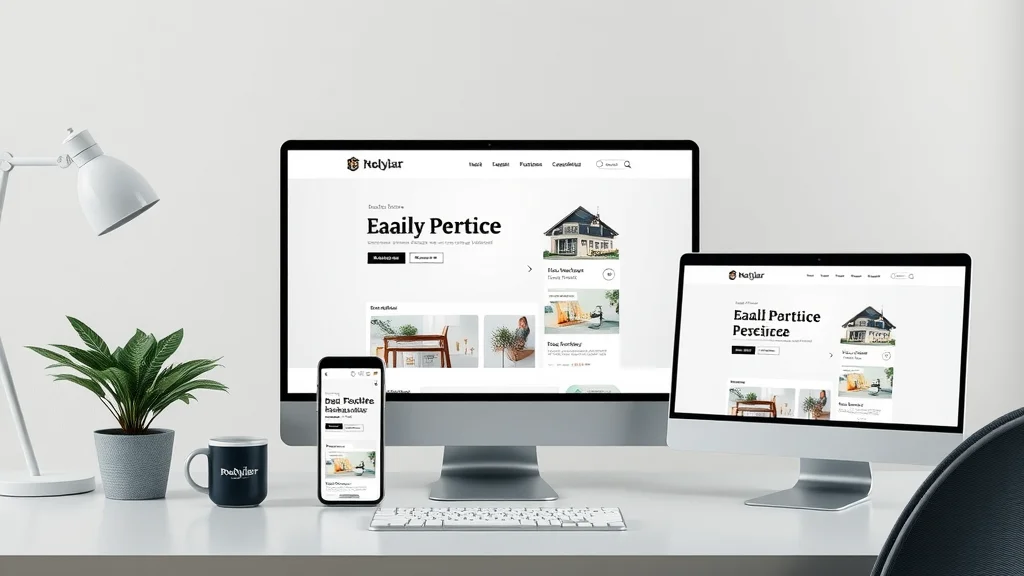
Why Every Real Estate Agent Needs a Responsive Real Estate Website
Today’s clients juggle busy lives and demand property details at their fingertips, whether at home, at work, or on the go. If your estate web isn’t mobile-responsive, you risk losing engagement and credibility—often before clients even scroll below the fold. Mobile devices dominate browsing experience trends, meaning a phone or tablet can deliver just as many leads as a desktop. From intuitive property search to simplified contact forms, responsive design ensures you convert site visitors into high-value prospects.
Responsive real estate websites are also a foundation for modern marketing strategies. They support integration with social media platforms and CRM tools, streamline property listing management, and enable you to deliver consistent branding. In short, without a mobile-friendly, up-to-date estate website, agents and brokers are left behind in a field where online presence is everything.
Competitive Edge Through Real Estate Web Design
The market rarely stands still, and neither should your site design. By investing in the right real estate web design, agents position themselves for faster lead conversion, increased trust, and higher visibility. Custom estate website templates set the tone for agency professionalism, while effective user experience (UX) means visitors find property search tools easily and act on calls to action. Those who embrace modern web design practices achieve improved rankings on search engines, lower bounce rates, and a stronger reputation—giving them a decisive edge over other estate agents.
A great first impression on your real estate website leads to repeat visits and referrals. Agents who routinely refresh their site templates and content see real benefits—increased leads, deals closed, and a brand identity that consistently outshines less-responsive competitors.
How Responsive Design Enhances User Experience
User experience is now a top ranking factor and a key business differentiator. Responsive design ensures all website content, from listings to contact forms, renders perfectly on mobile, tablet, and desktop. No more endless horizontal scrolling or pinching to read address details. Fast, readable, and attractive layouts help prospective buyers and sellers instantly connect with your brand’s value.
Estate web visitors are more likely to spend greater time exploring your property listings and less time frustrated by poor navigation. The impact on conversion rates is immediate: smoother browsing leads to longer sessions, more inquiries, and ultimately, more successful transactions for estate agents and brokers.
Identifying Trouble Spots: Top Issues in Responsive Real Estate Websites
Even the most visually appealing estate website can hide user experience issues. These problems silently undermine your brand and cost you leads—yet most common issues in responsive real estate websites are easy to fix, once identified. Frequent trouble spots include mobile responsiveness failures, browser compatibility challenges, sluggish property search features, and ineffective estate website templates.
The first step toward a high-performing estate website is diagnosing these issues. Maybe your property search tool stutters on mobile devices, or an older site template shows broken elements on iPhones or Androids. Fixing these drawbacks ensures every visitor receives the seamless, modern web design experience they expect—and dramatically improves your conversion rates.

Common Errors in Estate Website and Web Design
Common responsive design errors include broken navigation menus, overlapping text, images failing to scale, and cluttered layouts. Estate websites using outdated templates may lack CSS media queries, making elements misalign or disappear entirely on mobile devices. Another frequent pitfall: non-intuitive contact forms or property search tools that work on desktop, but become cumbersome or inaccessible on smaller screens.
Proactively addressing these issues is essential for keeping visitors engaged. With regular audits and updates to your estate website design, you can ensure a frustration-free browsing experience that keeps clients moving toward property inquiries and agent contact—no matter where or how they access your site.
Browser Compatibility and Mobile Responsiveness Challenges
Not all browsers interpret code the same way. It’s crucial for estate agents and web designers to test property websites in Chrome, Safari, Firefox, and Edge to ensure cross-browser compatibility. Differences in how mobile devices render CSS and JavaScript can lead to inconsistent layouts, non-functional buttons, or slow loading times if not handled with proper responsive design principles.
Overcoming compatibility issues often means updating your site templates, streamlining code, and leveraging frameworks like Bootstrap or Foundation. A genuine investment in responsive design will resolve most cross-browser pain points and future-proof your online presence as new devices and browsers emerge.
Slow Property Search and Ineffective Site Templates
Responsive estate websites with slow or buggy property search tools experience higher bounce rates and lost leads. Outdated site templates burden users with extra loading time and challenging navigation, particularly on mobile. The best practice is to deploy lightweight, modern estate website templates that load quickly, leverage lazy loading for images, and feature clear, accessible search functionalities.
Revisiting your property search implementation and ensuring it’s designed for performance on all devices will speed up results and keep visitors engaged. This is especially crucial when competing against other agents whose sites may offer a more pleasant property browsing experience.

User Experience Pitfalls Affecting Estate Web Conversions
Subtle UX flaws—like poorly placed CTAs, confusing menus, or slow property image galleries—can quietly damage the performance of your responsive real estate websites. Even if your property listing portfolio is stellar, a frustrating on-page experience will push visitors away before they reach the enquiry page.
Frequent conversion pitfalls include contact forms buried under excessive scrolling, lack of visible phone/email links, or inconsistent branding across mobile and desktop. To maximize results, estate agents should prioritize optimized user flows and test commonly visited paths (like property searches or booking viewings) on all screen sizes, delivering the intuitive experience clients demand.
| Issue | Root Cause | Quick Fix |
|---|---|---|
| Navigation/menu errors on mobile | Missing or faulty CSS breakpoints in site template | Update CSS media queries; test on multiple devices |
| Slow site loading | Unoptimized images and excessive scripts | Compress images, defer unused scripts, implement caching |
| Property search not working on mobile | Form/input fields not responsive | Redesign forms using responsive frameworks |
| Irregular layout on tablets | Outdated estate website template structure | Switch to a modern, responsive template |
| Contact forms not visible on all screens | Incorrect placement or scaling | Move and resize forms based on device viewport |
How Responsive Design Transforms Real Estate Websites
Embracing responsive design can revolutionize your site’s performance, turning one-time visitors into loyal, returning clients. Whether on an iPhone, Android, tablet, or PC, a smooth browsing experience is now an expectation—not a luxury. For estate agents, responsive real estate websites reduce friction in the sales process and provide every guest with the functionality and visuals they need to confidently contact you about a property listing.
When your site adapts to every device, potential clients stay longer, engage with more listings, and respond to calls to action like “Schedule a Viewing” or “Request a Callback. ” This seamless experience translates directly to increased leads, better reviews, and a reputation for embracing cutting-edge estate website design.
Impact of Responsive Real Estate Web Design on Bounce Rates
Bounce rates—the percentage of site visitors who leave without interacting—are a primary measure of website performance. Responsive real estate websites consistently achieve lower bounce rates, meaning more users actually explore listings and connect with agents. A poor mobile experience, slow page loads, or confusing layouts drive bounce rates up and undermine your marketing efforts.
By analyzing real estate website analytics dashboards, agents can pinpoint which pages cause drop-offs. A focus on responsive design, smooth navigation, and intuitive user flow helps ensure every page delivers what clients want precisely when they want it.

Adapting Site Design for All Devices
The heart of responsive estate website design is adaptability. Using fluid grid layouts, flexible images, and scalable UI components, a modern site design dynamically fits any screen. By testing your web design on various devices and orientations, you eliminate guesswork and deliver a consistent browsing experience. Tools like Google’s Mobile-Friendly Test or responsive preview in Chrome DevTools are invaluable for agents and site managers alike.
The advantage of adaptive design goes beyond display. It empowers users to search properties, save listings, and reach your team from any device, at any hour. Consistency in branding, navigation, and feature access ensures that mobile users feel just as valued as those on desktop.
Role of Estate Website Design in Lead Generation
A responsive estate website functions as your digital lead magnet. Every optimized contact form, integrated calendar, or embedded live chat increases chances for engagement. From the first property search to final inquiry, every step must be streamlined—fast-loading, accessible, and clearly directed towards your primary call to action.
Estate agents who prioritize responsive web design see tangible results in lead generation and conversion rates. Well-placed lead forms, enticing featured properties, and seamless integrations with CRM platforms mean you never miss the chance to capture a hot lead or follow up with interested prospects.
“In today’s property market, a responsive real estate website is as essential as a handshake was a decade ago.” – Real Estate Industry Expert
Critical Elements of a High-Converting Responsive Real Estate Website
Building a high-converting real estate website requires more than appealing images or catchy taglines. Key features—like mobile-friendly web design, intuitive property search, flexible site templates, integration with social media, and a frictionless contact experience—define the best estate web platforms on the market.
Agents and brokers who concentrate on these critical elements create estate websites that not only attract visitors, but consistently convert them to leads and eventually, satisfied clients.
Mobile-Friendly Website Design Best Practices
Start with a mobile-first approach—design for mobile screens, then scale up for larger devices. Ensure your navigation is thumb-friendly, property images are swipeable and load instantly, and all buttons or contact forms are visible without pinching and zooming. Eliminate pop-ups that interrupt browsing and use large, legible fonts for all important information.
Always test your responsive design on real devices and optimize for speed: minify scripts, use content delivery networks (CDNs), and compress images. The easier your estate web is to interact with on mobile, the more likely you are to keep visitors engaged through the property search and inquiry process.

Property Search: Fast, Intuitive, and Seamless
The property search function is the heartbeat of every great estate website. Make it fast, intuitive, and seamless across all devices. Use predictive search, map integration, and dynamic filters to help visitors find properties in their desired location, price point, or style—without waiting for clunky reloads or complicated menus.
Quick search access from the homepage, visible save/share buttons, and clear contact forms ensure the user experience remains focused and conversion-driven at every step. Remember: the faster and simpler your property search, the stronger your chances of turning a browse into a booking.
Effective Site Templates for Real Estate Agents
A well-chosen estate website template anchors your brand identity and ensures consistent performance. Select responsive templates built specifically for real estate agents—those that include modern layouts, easy customization, and plug-and-play widgets for property listings, agent profiles, and social media feeds.
Beyond visuals, prioritize functionality: fast loading, accessibility features, and built-in SEO support. Templates should make it simple for agents to update photos, listings, and calls to action, ensuring your estate web remains fresh and relevant as your business grows.
Ensuring Social Media and CRM Integration
Integrated social media links and CRM syncing are non-negotiables for high-performing real estate websites. Easy access to Facebook, Instagram, or LinkedIn allows visitors to share listings and follow your brand, while automated CRM integration ensures every form submission or inquiry is instantly captured for follow-up.
Social proof—showcasing testimonials, recent transactions, or live social feeds—builds trust with visitors and amplifies your credibility. When your estate web design seamlessly integrates these features, your online presence expands, reaching new buyers and sellers in organic, impactful ways.
Step-by-Step Guide: Fixing Your Responsive Real Estate Websites in 24 Hours
Ready to fix responsive issues fast? Here’s a rapid-action plan to identify and resolve the most common estate website headaches in a single day.
Rapid Audit: Assessing Estate Website Issues
Begin with a thorough audit. Use browser-based responsive checkers and analytics tools to highlight pages with high bounce rates or low engagement. Test navigation, contact forms, and property search functionality across several devices and browsers. Note which elements break, fail to load, or move out of view at different screen sizes.
For a more detailed analysis, ask friends or associates to use your site on their phones and tablets, taking note of their feedback. Look for common patterns: slow loading, missing buttons, or unreadable text. Document all issues, and rank critical blockers—like contact form errors and navigation failures—at the top of your fix list.
Quick Solutions for Responsive Design Flaws
Most major mobile layout and design issues can be corrected by updating CSS breakpoints and replacing outdated plugins or site templates. Utilize modern frameworks like Bootstrap for guaranteed device compatibility. Address navigation by switching to off-canvas or “hamburger” menus on smaller screens, and compress high-resolution property images to improve load times.
Review your site in landscape and portrait orientations, ensuring every element is visible and functional. Reorganize contact forms and buttons for accessibility, and deploy automated testing scripts to catch future responsive failures before they reach clients.
Optimizing Real Estate Web Design for SEO and Speed
Fast-loading estate websites rank better in search engines and deliver stronger user experiences. Use Google’s PageSpeed Insights to diagnose and fix performance bottlenecks—like oversized images or unused code. Implement caching, lazy load non-critical images, and minify CSS and JavaScript.
Update on-page SEO elements: use descriptive tags for each property listing, ensure your site template includes schema markup, and embed location data to boost relevancy in local searches. Combine this with fast, responsive design to win both human users and search engine algorithms.
- How to streamline property search functionality
- Ensuring compatibility with top browsers
- Adapting current estate website templates for mobile
Watch:
Boosting Your Brand: Benefits of Responsive Design for Estate Agents
Upgrading to responsive web design amplifies your branding and online presence. It improves lead quality, lowers website management overhead, and positions you as a forward-thinking real estate professional. From a polished online reputation to increased search visibility, responsive estate websites are a low-risk, high-reward upgrade for agents aiming to dominate their local property markets.
Improving Lead Capture through Real Estate Website Design
Responsive estate website design transforms casual browsers into actionable leads. Well-placed, visible contact forms, clickable calls-to-action, and prominent phone numbers streamline the prospect journey from site visitor to client. Modern CRMs capture every submission, automating follow-ups and freeing you to focus on closing deals.
With fewer barriers to engagement, agents collect more qualified leads and deliver superior service from the very first click.

Strengthening Online Reputation with Estate Website Updates
Regularly updating your estate website with new properties, testimonials, and company news reassures visitors of your credibility and commitment. Responsive design ensures each update is displayed consistently across all devices, so your professionalism and authority shine through whether on mobile or desktop. Over time, this builds a reputation for reliability and technological savvy—qualities valued by both buyers and sellers alike.
Agents who prioritize fresh content and UX-focused site templates benefit from improved rankings, word-of-mouth referrals, and customer trust in their estate web platforms.
How Responsive Estate Website Design Increases Agent Visibility
Responsive design boosts agent visibility on major search engines and social media platforms. Google’s algorithms prefer mobile-friendly estate sites, driving more organic traffic to your listings. Embedded sharing features amplify your reach, allowing users to circulate properties on platforms like Facebook and Instagram.
Additionally, agents stand out in crowded markets with up-to-date website design and instant responses to lead inquiries, maximizing both visibility and credibility for their online presence.
“Clients expect a flawless mobile experience—responsive websites deliver that competitive advantage.” – Leading Real Estate Broker
Frequently Asked Questions about Responsive Real Estate Websites
What features should every real estate website have?
Every successful real estate website should offer mobile-responsive layouts, intuitive property search tools, integrated contact forms, interactive maps, and prominent links to social media. Additional features like virtual tour galleries, customizable site templates, and testimonial sliders further enhance the user experience and set your estate web apart from competitors.
How does responsive design affect real estate SEO?
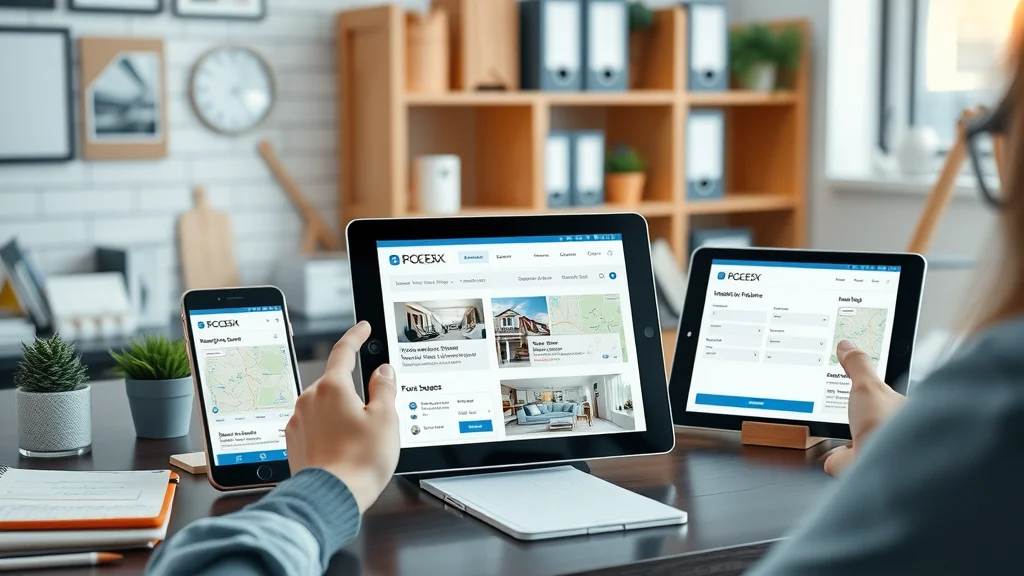
Responsive design plays a key role in real estate SEO. Google prioritizes mobile-friendly sites in rankings, while fast load times and clean layouts lower bounce rates and increase dwell time. Optimized estate website templates ensure your property listings and local SEO data are crawled correctly, boosting your visibility and generating more leads.
Can existing estate website templates be made responsive?
Yes—most estate website templates can be adapted for responsiveness with targeted updates. This often involves adding or correcting CSS media queries, removing fixed-width elements, and retesting all functionality on popular devices. For best results, consult web design professionals or use modern, responsive frameworks tailored for real estate agents.
What’s the fastest way to fix mobile layout issues on a real estate site?
Begin by running a responsive audit with Google Mobile-Friendly Test or Chrome DevTools. Update CSS files to use flexible grids and relative units, replace outdated plugins, and prioritize fixing any navigation or contact form issues first. Rapid deployment of a new estate website template designed for mobile can solve most urgent problems in less than a day.
Watch:
People Also Ask
[[paa]]
Answer to: [[paa]]
[[Your tailored, comprehensive answer to the People Also Ask query comes here, featuring 3–5 sentences focusing on applicability to real estate websites and the importance of responsive estate web design. ]]
Key Takeaways on Fixing Responsive Real Estate Websites
- Responsive real estate websites are critical for agent and broker success
- Common issues can be fixed within 24 hours with the right approach
- Investing in site design bolsters lead generation and brand credibility
Ready to Transform Your Real Estate Website?
Call Us At +91 85917-55270 Or Email Us support@ursasoftwaresolutions.com
Don’t let outdated design cost you clients. Let our experts fix your responsive real estate website issues—fast!
For agents looking to further enhance their website’s performance, optimizing your IDX integration can play a pivotal role in both user experience and search visibility. Discover actionable strategies in this guide to IDX SEO for Realtor sites to ensure your listings are not only responsive but also highly discoverable online.
As you implement these rapid fixes for your responsive real estate website, remember that true digital success is an ongoing journey. Elevating your site’s SEO—especially through advanced IDX optimization—can unlock even greater visibility and lead generation potential. If you’re ready to take your online presence to the next level, explore how strategic IDX SEO can transform your realtor site into a powerful marketing engine. Dive deeper into the world of real estate web excellence by learning more about IDX SEO best practices for realtors and position your business for long-term growth.
To enhance your understanding of responsive real estate websites, consider exploring the following resources: “Responsive Real Estate Websites | Unlock Your Success”: This article delves into the importance of responsive design in real estate, emphasizing how a seamless user experience across all devices can attract more clients and improve lead generation. (netclues. com) “How Responsive Real Estate Websites Actually Work [Infographic]”: This resource provides an insightful infographic explaining the mechanics of responsive design and its impact on real estate lead generation, highlighting the necessity of mobile-friendly websites in today’s market. (easyagentpro. com) If you’re serious about optimizing your real estate website’s performance, these resources will offer valuable insights into implementing effective responsive design strategies.