
Imagine a potential homebuyer landing on your real estate website and immediately struggling to find what they want. They’re greeted by confusing menus, slow-loading property listings, or a site that just doesn’t look right on their phone. Frustrated, they leave after just a few clicks—lost leads and missed opportunities, all because of the experience your website delivers. This is why real estate UX/UI design isn’t just about pretty visuals—it’s the hidden engine driving client trust, engagement, and your agency’s bottom line. In today’s digital-first property market, a great user experience is no longer a luxury; it’s mission-critical for every agent and broker.

Transforming Real Estate: An In-Depth Look at UX/UI Design
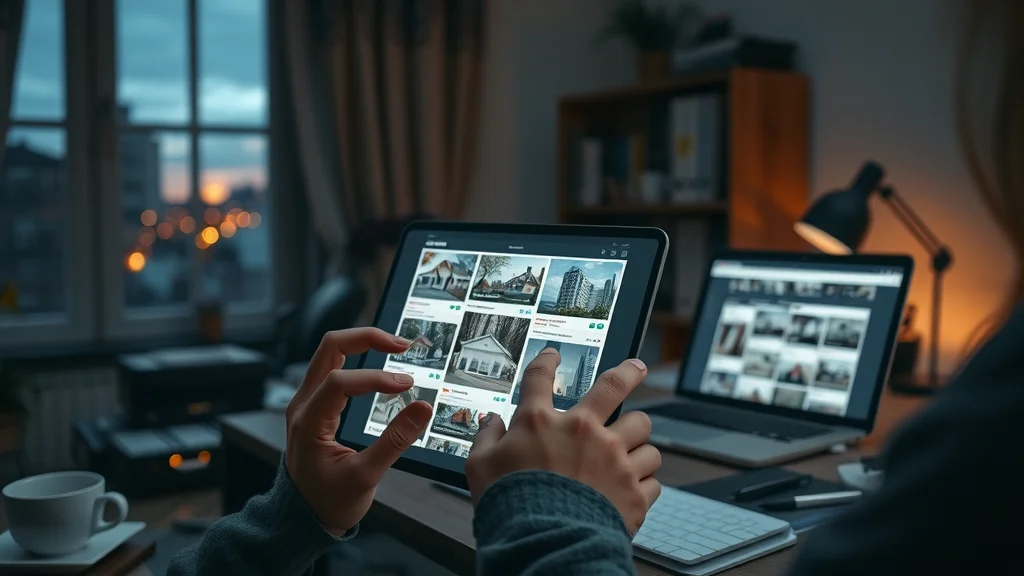
The world of real estate has been radically transformed by technology. Gone are the days when property hunting meant paging through printed listings or making endless calls. Now, the first impression of your agency likely happens online. This transformation is led by real estate UX/UI design, which encompasses not just how your estate website or mobile app looks, but how easy and enjoyable it is for clients to use. Modern homebuyers expect to quickly find property listings, view rich photos, schedule showings, and connect with agents—all with just a few taps or clicks. When a real estate website nails its usability and appearance, visitors stay longer, engage more, and convert at higher rates.
Savvy agents and brokers realize that a visually appealing and seamless online presence isn’t just nice to have—it’s essential for standing out in crowded markets. An effective UX design anticipates user needs, streamlines information, and builds trust at every step. Whether on a large screen at home or a mobile device on the go, responsive design ensures your site works beautifully on every screen size. By prioritizing both intuitive UI design and functional site structure, estate professionals can set themselves apart and capture more leads.
A critical aspect of optimizing your real estate website’s user experience is ensuring that property listings are not only visually appealing but also easily discoverable by search engines. Integrating IDX solutions with strong SEO practices can significantly enhance both usability and visibility—learn more about IDX SEO strategies for realtor sites to maximize your site’s reach and effectiveness.
What You’ll Learn About Real Estate UX/UI Design
- Key elements of successful real estate UX/UI design
- Mistakes agents and brokers make with estate website usability
- Actionable steps to evaluate and improve real estate website design
- Expert insights on mobile app UI design for agents
- How to leverage user behavior and data in real estate web design decisions
Defining Real Estate UX/UI Design in Modern Digital Markets
Before diving deeper, let’s clarify what real estate UX/UI design means. UX (User Experience) focuses on every interaction that a visitor has with your platform—how straightforward it is to navigate, how easily they can perform desired actions, and how satisfied they are with their journey. UI (User Interface), on the other hand, covers all visual elements: the layout, colors, icons, and interactive components. In an era where clients browse across many devices and expect speed, clarity, and accessibility, the synergy between UX and UI is what defines outstanding real estate websites.
Whether launching a new estate website or revamping an old one, the design process must begin with user-centered thinking. A top-notch UX designer will research client expectations, create wireframes for smooth flows, and ensure that branding is cohesive across every page. In today’s markets, where competitors are only a click away, this attention to detail in ui design can mean the difference between a site that drives people to contact you—and one that sends them elsewhere.

Why Real Estate Websites Live or Die by UX/UI
For agents and brokers, the stakes couldn’t be higher. Your website is more than an online calling card—it’s a digital storefront that sets the tone for your entire real estate business. Poorly executed real estate UX/UI design can erode trust, confuse clients, and drain marketing dollars. Conversely, a thoughtfully designed estate website builds credibility and loyalty before you even speak to a prospect. Every element, from search filters to property photos, must work together to answer the users’ needs—fast.
Many agents underestimate how subtle UX/UI shifts can lift conversions. For example, streamlining navigation ensures users can quickly find listings, no matter the screen size or device. Improving load speeds keeps prospects engaged. Highlighting calls-to-action encourages more inquiries. When you address these user experience pain points, your website not only attracts but retains and delights potential clients, directly impacting your commission pipeline.
The Real Cost of Neglecting UX/UI in Real Estate Web Design
Neglecting UX/UI isn’t just a cosmetic issue—it’s a profitability killer. Without well-planned estate web design, even the best property listings may go unnoticed, as users bounce from confusing layouts, broken links, or slow pages. A bad experience on your real estate website can damage your brand’s reputation and reduce referral business. Today’s buyers are digitally savvy—they can spot outdated designs and will not hesitate to seek smoother experiences with competitors. This is why investing in a reliable UX designer for your agency or brokerage is an investment in business growth.
Core Principles of Real Estate UX/UI Design Excellence
- Clarity and intuitive navigation for estate websites
- Speed and performance across devices (desktop and mobile app)
- Consistent branding through UI design
- Accessibility and inclusive user journeys in real estate web
- Highlighting listings and calls-to-action with UX design best practices
Creating an exceptional real estate UX/UI design is rooted in several guiding principles. Clarity and easy navigation should be non-negotiables—if visitors can’t immediately understand where to go or what to do, you risk losing leads. This clarity comes from streamlined menus, logical groupings, and predictable user flows. Next, speed and performance are key. No matter the screen size—desktop, mobile device, or tablet—your estate website must load quickly and display listings without lag or clutter. Responsive design ensures inclusion for all users, which translates directly into better engagement and satisfaction.
Consistency is another pillar: keeping visual branding uniform across your real estate website reinforces trust and professionalism. Accessibility, including ADA compliance, ensures that every visitor (regardless of ability) enjoys the same rich experience. Finally, careful use of UI design tricks—like prominent call-to-action buttons, eye-catching photo galleries, or guided search filters—can boost conversion and deliver the intuitive journeys users crave.
How UX Designers Optimize Real Estate Website Success
At the heart of every successful estate web project is a skilled UX designer employing proven strategies. They start by mapping the ideal client journey, uncovering friction points, and building wireframes that make navigation seamless. The design process often includes user testing and heatmap analysis, ensuring each UI element contributes to a smooth flow—from homepage to schedule-a-tour button. Great real estate web designers focus on context: they know that a buyer on a mobile app may want quick property search features, while a seller using a large screen may look for listing submission tools.
A good UX designer also adapts fast to changes in user behavior, testing and refining features based on session analytics. They blend responsive design with engaging visuals, optimize property listing layouts for scannability, and balance informational content with easy opportunities for conversion. When these optimizations are applied, real estate websites become high-converting platforms that support agents and drive measurable business results.
Case Study: A Real Estate Web Makeover
Let’s examine a case study that illustrates the dramatic difference a strategic real estate UX/UI design overhaul can make. A mid-sized brokerage with a cluttered, outdated site was experiencing high bounce rates and low online inquiries. The old site was hard to navigate, especially on mobile. After partnering with a skilled UX designer, the agency embarked on a full estate website redesign—including clearer menus, faster load times, visually appealing listing galleries, and simplified forms.
The result was immediate: users reported it was now easier to find property listings, engage with media galleries, and contact agents. The clean design and improved performance translated to more time spent on-site, more leads captured, and greater agent satisfaction. This transformation highlights the tangible value of user-centric UI design choices and data-driven decision-making in the real estate web sector.

Mobile App Design—Why It’s a Game-Changer for Real Estate
The rise of the mobile app in real estate cannot be overstated. Homebuyers, renters, and agents increasingly turn to smartphones and tablets for on-the-go property searches. A well-crafted real estate UX/UI design for mobile apps allows users to quickly find homes, schedule viewings, and message agents—all from the palm of their hand. Mobile-first thinking means your estate websit is always optimized for smaller screens, touch gestures, and rapid information delivery. This competitive edge ensures your listings and services are accessible whenever and wherever your audience needs them.
Furthermore, mobile apps can personalize the experience by offering saved searches, instant notifications, and map-based property navigation. Integrated features such as swipe-enabled photo galleries and on-the-spot mortgage calculators improve usability for all users. For agents and brokers, embracing robust ui design on mobile is not just about convenience—it’s about ensuring every interaction builds prospect confidence and keeps your brand top of mind in the modern property market.
Video Walkthrough:
User Behavior Insights: The Data Behind Real Estate UI Design Choices
Success in real estate web design hinges on more than good looks—data is king. By studying user behavior through analytics, heatmaps, and A/B testing, UX designers identify which features delight visitors and which frustrate them. For example, if users consistently drop off at a complicated registration form, simplifying UI design and reducing field count can lower friction and keep prospects engaged. Data on most-viewed property listings, favored search filters, or device preferences informs iterative improvements, making each update more effective than the last.
Savvy real estate agencies now use dynamic dashboards to monitor engagement in real-time. Understanding which parts of the estate website attract the most eyes helps prioritize further investments. Do visitors tap on testimonials? Do they abandon pages with slow-loading images? Data-driven UI design means you’re not guessing—every change is aimed at making your site more usable, approachable, and effective at capturing qualified leads.

Table: Comparing Top Real Estate Websites by UX/UI Design
| Website Name | UX/UI Highlights | Unique Features | Common Pitfalls Avoided |
|---|---|---|---|
| Homefinder Pro | Intuitive navigation, fast search filters, responsive on all screen sizes | Virtual tours, one-click scheduling for showings | Clutter-free layout, logical menu structure |
| EstateHub | Consistent branding, quick property photos loading, easy call-to-action placement | Agent chat, area insights integration | Accessible color schemes, ADA compliance |
| RealEstate360 | Visually appealing listing pages, comprehensive property info, mobile-first design | User accounts, saved searches, mortgage calculators | Avoids over-complex menus, eliminates redundant steps |
| FindMyHomeNow | Interactive listing galleries, testimonial carousels, high-performance speed | Neighborhood data overlays, buyer and seller resource centers | Prevents information overload, maintains consistent interface |
Common Mistakes in Real Estate UX/UI Design—and How to Fix Them
- Ignoring responsive mobile design in real estate web: With most traffic coming from mobile devices, neglecting mobile optimization means missing out on leads and alienating a huge portion of your audience. Ensure your estate website uses responsive design that adapts perfectly to all screen sizes.
- Over-complex navigation menus in estate website: Too many links, dropdowns, or categories create confusion. Keep navigation simple, with logical groupings and a clear path from homepage to property listings.
- Inconsistent branding on real estate website: Changing colors, fonts, or icons damage trust. Every UI design choice should reinforce a cohesive brand identity throughout the site.
- Lack of clear calls-to-action for real estate agents: If users can’t easily find how to schedule a showing or contact an agent, your site loses opportunities. Place prominent, visible CTAs on every key page.
- Neglecting accessibility and ADA compliance: Your real estate websit must be usable for all, including those with disabilities. Use readable fonts, clear contrasts, alt text, and keyboard navigation to meet (and exceed) compliance standards.
Quote From an Industry UX Designer
“Optimizing real estate UX/UI design means putting the user’s needs first—from first click to closing.” – Senior UX Designer, Real Estate Web Agency
Lists: Essential Features for High-Converting Real Estate Websites
- Fast property search with filters
- Interactive listings with media galleries
- Quick contact and inquiry forms
- Testimonials and agent profiles
- Resource centers (e.g., buying guides, area insights)

People Also Ask
- What makes good UX/UI design for real estate?
- How does UI design impact real estate lead generation?
- What are the top trends in estate website UX in 2024?
- How do I choose the right UX designer for my estate website?
What makes good UX/UI design for real estate?
A good real estate UX/UI design is built on user-centric thinking. This means easy navigation, fast load times, mobile responsiveness, and consistent visual branding. Effective designs help users find property listings quickly and offer intuitive ways to reach out to agents or learn more about neighborhoods. Accessibility, clear calls-to-action, and visually appealing layouts all play a crucial role in boosting satisfaction and conversions.
How does UI design impact real estate lead generation?
A thoughtfully crafted UI design directly supports lead generation by making it seamless for visitors to find homes, schedule tours, or submit inquiries. Features like sticky contact forms, bold CTAs, optimized galleries, and search filters minimize friction and encourage users to take the next step immediately. The smoother and more visually clear your estate website UI, the more trust you build with prospects—and the more leads you generate.
What are the top trends in estate website UX in 2024?
In 2024, top estate website UX trends include mobile-first design, AI-powered search and recommendations, interactive property media, and advanced personalization. There’s also a greater focus on speed, accessibility, and integrating user-generated reviews or social proof. Streamlined, distraction-free interfaces and intuitive user journeys will become standard as buyers expect faster and smarter experience on every real estate web platform.
How do I choose the right UX designer for my estate website?
Selecting a strong UX designer for your estate website starts with reviewing their past case studies and understanding their experience with real estate clients. Look for designers who prioritize user research, fast prototyping, and continuous testing. Ask about their approach to accessibility and mobile optimization, and choose someone who can balance creative UI design with practical business goals and measurable outcomes.
FAQs: Real Estate UX/UI Design
- Why is mobile design crucial for estate websites?
Mobile traffic now dominates the property search process. A mobile-optimized real estate website delivers better user experience, meets client expectations, and ensures you do not lose valuable leads who browse on the go. - How often should brokers update estate website UX/UI?
It’s wise to review and refresh your estate website UX/UI at least every 18–24 months. This keeps your site modern, responsive to new user behavior trends, and ahead of the competition. - What’s the difference between UI and UX design in real estate?
UI design is all about the look—colors, icons, layouts—while UX design covers the overall journey, including navigation, flow, and emotional satisfaction from using your real estate web platform. - Can better UX/UI really increase commissions?
Absolutely. Improved UX/UI leads to higher engagement, more inquiries, and better conversion rates, directly impacting agent commissions and overall brokerage revenue. - Do real estate websites need ADA-compliant UX/UI?
Yes. Accessibility isn’t just a legal requirement—it’s a business advantage. ADA-compliant sites reach the widest audience, reduce liability, and foster a positive, inclusive brand image.
Key Takeaways for Agents and Brokers on Real Estate UX/UI Design
- A superior user experience leads to more conversions and happier clients.
- Mobile app and estate website UI design are non-negotiables for digital success.
- Continually learn from competitors and prioritize regular usability reviews.
Ready To Transform Your Real Estate Website?
Take the next step toward a high-converting, user-focused online presence. Call Us At +91 85917-55270 Or Email Us support@ursasoftwaresolutions. com
Conclusion: Investing in great real estate UX/UI design is the smartest move for agents and brokers who want to build trust, convert more clients, and future-proof their digital brand.
If you’re ready to elevate your real estate website’s performance even further, consider how advanced SEO strategies can work hand-in-hand with exceptional UX/UI. By combining user-focused design with powerful search optimization, you can attract more qualified leads and ensure your listings are seen by the right audience. Explore how integrating IDX SEO for realtor sites can unlock new growth opportunities and help your agency stay ahead in the digital property market. The next step in your digital transformation is just a strategy away—discover the possibilities and set your brand apart.
To deepen your understanding of effective real estate UX/UI design, consider exploring the following resources: “Real Estate Website UX/UI: Why It Matters More Than You Think” (agentimage. com) This article delves into the critical role of user experience and interface design in real estate websites, highlighting how intuitive navigation and responsive design can significantly enhance client engagement and trust. “The Impact of UX/UI Design on Real Estate Platforms” (uxintegra. com) This piece examines how well-executed UX/UI design influences user behavior on real estate platforms, emphasizing the importance of user-centric design in improving property search experiences and increasing conversion rates. If you’re serious about optimizing your real estate website’s performance, these resources offer valuable insights into creating user-friendly interfaces that drive client satisfaction and business success.