
Imagine a potential client searching for “best agent near me”—your name pops up, but your outdated website loads slowly, looks clunky on mobile, and buries contact forms. The lead moves on. Real estate website design isn’t just about looking modern—it’s about winning the attention and trust of buyers and sellers in seconds. If you’re frustrated by low website traffic, poor seller leads, or a site that doesn’t reflect your true professionalism, you’re not alone. The right design choices can transform your fortunes, ensuring your estate website becomes your number-one lead generator—all while showcasing your expertise as a real estate agent or broker.
Are You Frustrated With Real Estate Website Design? Here’s Why It Matters
“A compelling real estate website design is no longer a luxury, but a necessity for any serious agent or broker.”
Your real estate website design often acts as the first impression for clients. Today’s buyers and sellers judge agents by their digital presence as much as their handshake at an open house. People find properties and agents online before ever reaching out or stepping into a home—and if your estate web presence is lacking, so is your chance to secure that vital connection. Every color, button, property listing, and testimonial is part of your digital handshake. Agents who overlook estate website design risk being left behind as more tech-savvy competitors generate leads directly through their websites. The right design choices help generate seller leads, convey trustworthiness, and make your website a true sales tool—not just a digital business card. Whether you’re just starting as a real estate agent or revamping a legacy brokerage website, investing in strong design is what will help people find and remember you amid the noise.

What You’ll Learn About Real Estate Website Design
- Key features of effective real estate website design
- How real estate web templates speed up development
- Choosing between custom and template-based estate web design
- Ways to generate seller leads with your estate website
- Best practices for real estate website SEO
- Practical steps to build your own real estate website
Essential Features of Modern Real Estate Website Design
A successful real estate website has to do so much more than simply display property listings. The modern market expects responsive estate web experiences, intuitive search, fast loading times, and clear calls to action for seller leads. It’s about marrying convenience with credibility—allowing buyers and sellers to filter listings, explore neighborhoods, request valuations, and contact you within seconds. Effective website design incorporates not only form but powerful function: integrated CRM connectivity, automated lead forms, and optimized pathways for mobile users. Real estate agents who leverage these features stand out in the crowded online space.
Additionally, real estate website design needs to reflect your brand as an agent or brokerage. High-resolution photos, recognizable logos, and testimonials build trust. Imagine visiting an estate websit full of pixelated photos and broken links—would you trust them with your largest asset? A modern website template or custom design ensures every aspect speaks of professionalism and reliability. With the right balance of aesthetics and usability, you’ll consistently attract both buyers and sellers, and ensure people find your listings, not your competitors’.
For agents looking to enhance their site’s capabilities, integrating IDX features can be a game-changer for both user experience and lead generation. If you want to explore how IDX integration can elevate your real estate website, check out this detailed guide on 24/7 IDX integration support and real estate website development for practical insights and support options.
Responsive Estate Website Templates for Real Estate Web Success
- Mobile optimization for estate websites: With most users searching on phones, your estate web must look and work perfectly on every device. A mobile-optimized real estate website guarantees visitors can access property details, request info, and even share listings with ease.
- Fast-loading website design: Slow websites drive visitors away. Real estate website templates and best practices focus on image compression, minimalistic code, and streamlined content so buyers and sellers get what they need immediately.
- Easy navigation and clear CTAs for seller leads: Navigation menus, intuitive filters, and bold calls-to-action (CTAs) make it seamless for visitors to find listings or reach you. For estate agents, these CTAs translate directly into more seller leads and closed deals.
- Integration with real estate CRM systems: Your estate website isn’t just a static page—it should capture leads and feed them into your CRM for follow-up. Modern website templates often offer built-in or easy-to-add CRM integrations, elevating your entire sales workflow.

Visual Appeal and UX in Real Estate Web Design
- High-quality property images and videos: In real estate website design, first impressions count. Crisp, professional visuals allow buyers and sellers to imagine themselves in the property—engaging browsers and helping generate leads before you even speak to them.
- Interactive maps and listings: From pin-dropping neighborhoods to school zones and walk scores, interactive features help estate agents demonstrate deep local knowledge and showcase the true value of each property.
- User reviews and testimonials for estate web credibility: Authentic buyer and seller feedback builds instant trust. When your estate websit displays genuine testimonials, new visitors are more likely to reach out, turning website traffic directly into seller leads.
Custom Real Estate Website Design vs. Ready-Made Website Templates
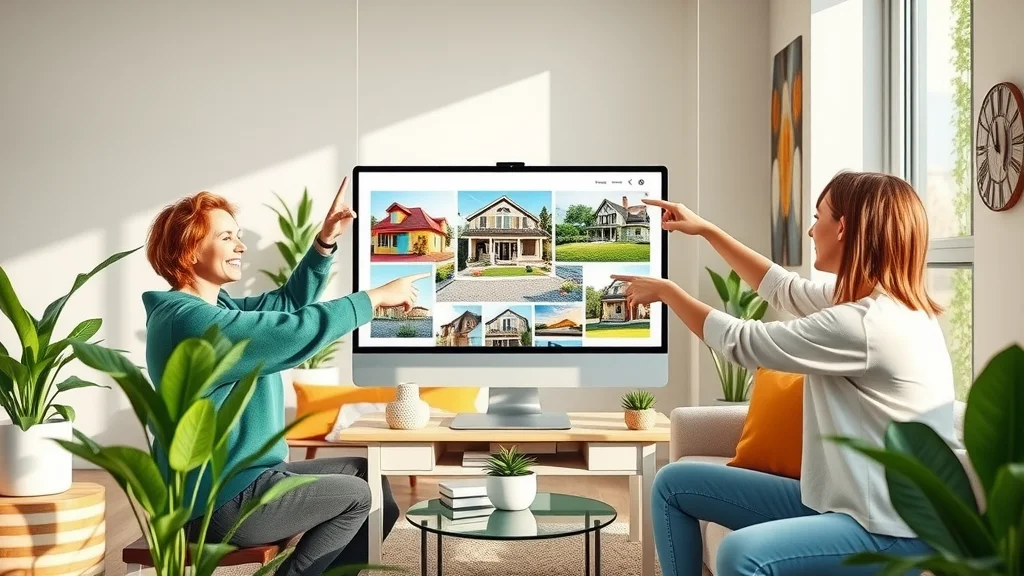
Choosing between custom real estate website design and leveraging website templates is a major decision for agents and brokers. The right choice depends on your goals, budget, and how urgently you need to launch. Custom design delivers unique branding, bespoke features, and advanced seller lead integrations—perfect for agencies with specific needs or established brand identities. On the other hand, ready-made site templates or website templates allow real estate professionals to launch quickly, with a professional look and essential features already built in. Both options offer distinct advantages; understanding them is key before investing time or money into an estate websit overhaul.
A well-built website—custom or not—remains paramount for building your online presence, capturing seller leads, and establishing authority in local markets. With the right real estate website template or custom project, you’ll boost credibility, improve search engine rankings, and expand your client base. Consider your long-term objectives and how each approach aligns with your estate agent brand before making the leap.
| Feature | Custom Real Estate Website Design | Ready-Made Website Templates |
|---|---|---|
| Speed of Launch | Longer (requires planning & development) | Fast (often ready in days or weeks) |
| Brand Differentiation | High—fully customizable, strong unique brand | Moderate—some templates allow heavy branding |
| Cost | Higher upfront investment | Lower, budget-friendly for new agents |
| Advanced Features | Custom features, unique layouts, integrations | Standard real estate tools and galleries |
| Maintenance | May require a developer or agency | Usually included or easy to manage |
| Lead Capture Options | Unlimited—tailor forms, routes, follow-up | Effective forms, generally plug-and-play |
Pros and Cons of Real Estate Web Templates
- Speed of launch for estate websites: A major advantage of website templates is rapid deployment. Agents or brokers can go from concept to live site in mere days, giving a competitive edge when time is of the essence in hot property markets.
- Design flexibility in website templates: Many estate website templates now feature customizable colors, layouts, and modules—allowing even modest brands to mirror competitors’ professionalism, without hiring a full design team.
- Suitability for ambitious real estate agents and brokers: Website templates are perfect for agents growing a book of business, as they blend affordability with the foundational tools needed to showcase property listings, integrate CRM systems, and generate leads while building a credible online presence.
When to Choose a Fully Custom Estate Website Design
- Brand differentiation for real estate agents: If you’re targeting the luxury market or a unique niche, custom real estate web work helps your site stand apart from thousands of agent clones. Distinct design and rich content underline your authority with both buyers and sellers.
- High-end estate features: Custom design enables integration of advanced features—such as property comparison tools, in-depth home valuation calculators, or interactive neighborhood maps—that make high-value listings shine and encourage serious seller leads.
- Advanced seller lead integrations: For brokerages with complex workflows or unique conversion strategies, a custom estate website design can seamlessly connect with internal systems, marketing automation, and analytics, maximizing every lead’s value.
People Also Ask About Real Estate Website Design
How much does it cost to build a real estate website?
Exploring Website Design Options and Investment Considerations
Building a real estate website can range from affordable to premium, depending on your chosen approach. Website templates offer a cost-effective route, bundling essential features and modern design at a fraction of the expense of custom builds. Experienced agents seeking unique branding, advanced home valuation tools, or deep CRM integration often invest more in custom development, hiring professionals to craft a site from scratch. Factors influencing cost include number of property listings, desired features (like 3D tours), and ongoing support needs. Assess your current branding requirements and future plans carefully before settling on either an off-the-shelf or bespoke solution.

What is the 4 3 2 1 rule in real estate?
Understanding the Application of the 4 3 2 1 Rule in Real Estate Website Content
The 4 3 2 1 rule in real estate refers to a framework for evaluating property potential based on location, size, and value. On your estate website, applying this rule to content helps communicate how different properties fit buyer needs—from those who prioritize location (4) to those who choose based on price (1). For real estate agents, organizing property listings using this hierarchy can streamline user searches, helping people find homes that match their priorities. Well-structured estate websit content, broken into these four layers, attracts serious buyers and generates more seller leads—showcasing your expertise and making complex decisions simple for website visitors.
What is the 80/20 rule for realtors?
Applying the 80/20 Rule to Real Estate Website Design and Marketing
The 80/20 rule suggests that 80% of your results come from 20% of your efforts. For real estate agents, this means focusing on the website content, listings, and CTAs that deliver the most seller leads. Highlight your best testimonials, feature your most attractive properties, and keep navigation sleek—each change streamlines the customer journey and boosts conversion rates. From website templates to custom designs, let performance data guide refinements. By spotlighting the highest-value areas of your estate web, you not only impress both buyers and sellers, but also achieve more with less effort—freeing up time to nurture valuable leads.
How do I make my own real estate website?
Step-by-Step Guide: Building Your Real Estate Web Presence
Creating your own real estate website is easier than ever. Start by selecting a trusted real estate website template platform tailored for agents and brokers. Choose a design that’s clean, professional, and mobile-optimized. Next, add your logo, profile, and contact details to establish your brand. Integrate IDX feeds for live property listings, upload compelling property images, and write keyword-rich descriptions that help people find your estate websit on search engines. Don’t forget interactive features—like valuation forms, local area pages, and contact CTAs—to generate leads from both buyers and sellers. Finally, connect your site to a CRM, monitor analytics, and keep content fresh—your website should grow as your real estate career does.

Best Practices for SEO and Generating Seller Leads With Real Estate Website Design
- Optimize estate website content with local keywords: Ensure your website copy references your service area, neighborhood highlights, and target markets. Use phrases people search for, like “Spanish Revival homes in [city]” or “top estate agent near [neighborhood].” These tweaks help your estate web rise in local search engine results and boost both buyer and seller leads.
- Highlight agent and broker expertise on your real estate website: Showcase recent sales, accolades, and unique selling propositions directly on your home page. Use testimonials and video tours to demonstrate trustworthiness, insider knowledge, and proven success in your local website market.
- Setup clear lead capture forms and strong CTAs: Place easy-to-find forms on every page (“Request a Home Valuation” or “Get Instant Listings Alerts”) and pair them with compelling CTAs. These help convert casual browsers into real estate leads, feeding your CRM for prompt follow-up.
Frequently Asked Questions: Real Estate Website Design
- What makes an effective estate website design?
An effective estate website design combines crisp property visuals, smart lead forms, and mobile-friendliness. Add in local keywords, agent branding, and easy navigation to ensure your website both generates leads and builds trust with potential clients. - How to use site templates for a real estate web launch?
Choose a reputable website template that’s designed for real estate agents. Customize colors and branding, load your listings, and test navigation on all devices before publishing. You’ll save time and achieve a polished, professional site without starting from scratch. - Real estate agent branding on your website
Prominently display your logo, bio, testimonials, and awards. Incorporate branded visuals and messaging throughout your estate website to stand out from generic agent websites and be memorable to buyers and sellers alike. - Integrating video tours and multimedia into estate websites
Use video walkthroughs and interactive galleries to engage visitors. Embedding multimedia content boosts SEO, holds users’ attention, and builds emotional connections with both your listings and your personal brand.
Key Takeaways for Real Estate Web Success
- Prioritize user experience in all estate website design decisions
- Use professional website templates for speed and affordability
- Continually optimize for seller leads and search engine visibility
Ready to Elevate Your Real Estate Website Design?
“A modern, intuitive estate website is your most powerful tool for growing your client base and seller leads.”
Call Us At +91 85917-55270 Or Email Us support@ursasoftwaresolutions.com
Take action today—transform your real estate website into a dynamic hub for attracting buyers, sellers, and growing your reputation as a top estate agent or broker.
If you’re ready to take your digital presence to the next level, consider exploring the broader landscape of real estate website design with IDX for realtors. Discover how advanced IDX solutions, tailored development, and ongoing support can help you stay ahead in a competitive market. By deepening your understanding of the latest tools and strategies, you’ll be empowered to create a website that not only attracts leads but also builds lasting client relationships. Dive into expert resources and unlock the full potential of your real estate brand online.
To enhance your understanding of effective real estate website design, consider exploring the following resources: “The Best Real Estate Website Designs for 2026 (+Why They Work)” This article analyzes current trends in real estate website design, highlighting key elements that contribute to user engagement and lead generation. (housingwire. com) “Real Estate Website Design Best Practices And Examples” This resource outlines essential features of user-friendly real estate websites, such as intuitive navigation, high-quality visuals, and robust search functionalities, providing practical examples to guide your design decisions. (forbes. com) By reviewing these articles, you’ll gain valuable insights into creating a compelling and effective real estate website that attracts and retains clients.